The Roost in the Roof: Sequencing Bat Surveys into a 2026 Loft or Re-Roofing Project

Photo by Photo by James Read on Unsplash on Unsplash
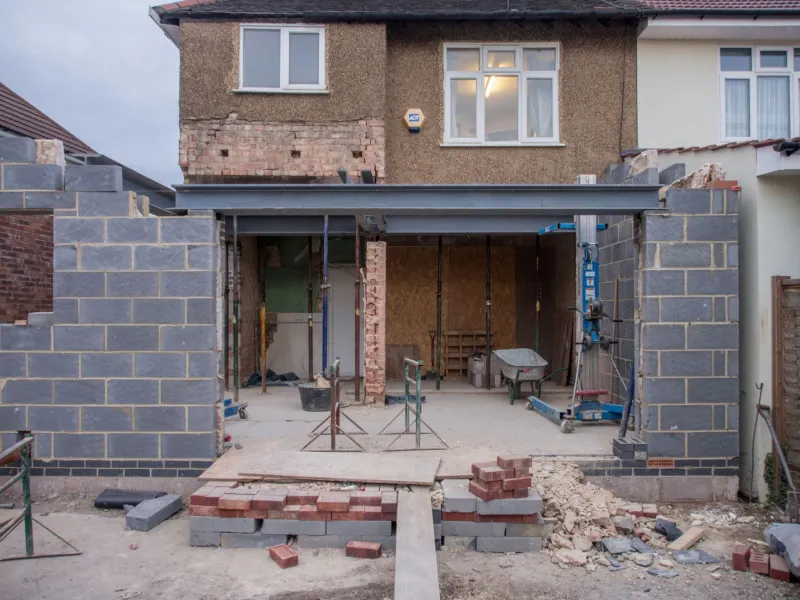
A roof replacement or loft conversion is usually planned around scaffold, weather, structural design and the availability of trades. Bats are rarely part of the early conversation. That is understandable, but it can be a costly omission. In older UK buildings, roof voids, eaves and tile junctions can provide roosting opportunities, and bats and their roosts receive strong legal protection. If evidence is found once work is underway, the sensible response is to stop and take specialist advice. The better response is to plan for the possibility before the contract is signed.
Why a roof is never just a roof
British roofs are remarkably good at creating narrow gaps, sheltered voids and undisturbed corners. These are the very features that make a loft useful to a homeowner and, occasionally, suitable for bats. The legal position is not limited to the animals themselves. Roosts are protected even when bats are not present at the time of inspection. Disturbing a roost, blocking access or carrying out certain works without the correct licence can create serious difficulties for the homeowner and the contractor.
This does not mean every re-roofing project requires a lengthy wildlife process. It does mean that a suspected bat presence should be treated as a design and programme issue, not as an inconvenient discovery to be managed informally. A builder should not be asked to proceed on the basis that the roof looks clear from the ground. Likewise, a homeowner should not assume that a lack of visible bats means a lack of risk.
The first step is a preliminary roost assessment
For older properties, or those with complex roof shapes and generous eaves, the usual starting point is a preliminary roost assessment carried out by a licensed ecologist. This is a daytime inspection, often combined with a desk study of records and designations. The ecologist will examine the loft, roof covering, eaves, ridge and any accessible voids, looking for bats, droppings, feeding remains or features that could support roosting.
If the assessment finds no potential and the proposed works are straightforward, the matter may close with a short report. If potential is identified, further survey work is usually required. This typically involves emergence or return surveys at dusk or dawn during the active season, generally between May and September, with particular attention to warm, dry evenings. The number of visits depends on the building and the proposal. Winter hibernation checks may also be relevant in some cases. These surveys cannot be compressed into a single convenient week, and they depend on suitable weather.
When a licence becomes part of the build
Where a roost is confirmed and the works would disturb it, a wildlife licence is normally needed from the relevant statutory body: Natural England in England, Natural Resources Wales in Wales, or NatureScot in Scotland, with different arrangements elsewhere in the UK. The ecologist prepares the application, method statement and mitigation proposals. These may include retained access points, replacement roosting features, timing restrictions, supervised working methods and precautions around lighting and scaffold.
Licence processing is not instant. A realistic 2026 programme should allow several weeks for determination and should not assume that an application will be approved in time for a preferred start date. The mitigation itself may also affect the roof design. A loft conversion, for example, may need to retain flight access and avoid sealing features that the ecologist considers important. These details are far easier to accommodate at drawing stage than after the plasterboard has been ordered.
Building the seasonal window into the programme
Roofing work is already vulnerable to British weather. Bat survey work adds another seasonal constraint. Emergence surveys take place when bats are active, which is often the same period when homeowners want roof work completed. If a project is being planned in autumn or winter and potential roosting features are identified, the survey window may not reopen until the following spring. That can push the entire roof phase back by months.
The practical lesson is to commission the preliminary assessment early, before finalising the construction programme and before placing long-lead orders. For a 2026 renovation, the ecological work should sit alongside the structural survey and planning checks, not after them. Where bats are confirmed, the programme should show the sequence clearly: assessment, further surveys, report, licence application, contractor method statement, works and any post-completion checks. Deliberate slack at each stage is more useful than an optimistic start date.
Costs, contracts and site discipline
A preliminary roost assessment typically runs to a few hundred pounds. Further surveys, licence preparation and mitigation add to that figure. Homeowners should compare these costs with the risk of a stopped site, wasted scaffold hire and potentially unlawful disturbance. The cheapest survey is rarely the one commissioned after the roof has been stripped.
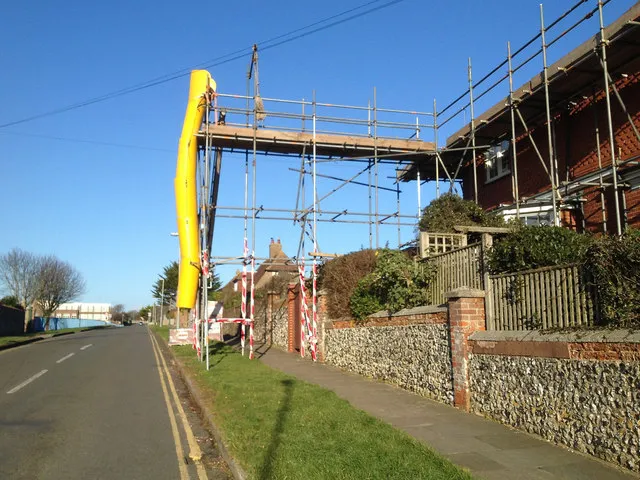
Contractually, it is wise to make the contractor aware of any ecological constraints before work begins. The method statement should be available on site, and the team should know what to do if a bat is found: stop work in that area, avoid handling the animal and contact the named specialist. Scaffolders and roofers should also be briefed on lighting and access, since temporary structures and site lights can affect flight paths and roost entrances. Neighbours may ask questions, particularly in terraced streets, so a brief factual explanation is often helpful.
A sensible sequence for homeowners
First, establish whether the building has features that could support roosting. Second, appoint a licensed ecologist for a preliminary assessment. Third, if further surveys are needed, book them within the correct season and accept that weather may cause postponements. Fourth, if a licence is required, allow proper time for determination and mitigation design. Fifth, ensure the contractor's method statement reflects the licence conditions. Finally, keep records and photographs, and carry out any required post-completion checks.
Bats are not an obstruction to good building work, but they are a constraint that deserves respect. Handled early, the process is manageable and predictable. Handled late, it can stall a roof, unsettle a budget and put both homeowner and contractor in a difficult position. In a renovation planned for 2026, the safest approach is simple: survey before scaffold, and licence before the first tile is lifted.