Six, Twelve, Twenty-Four: A Seasonal Diary for Inspecting a New Extension

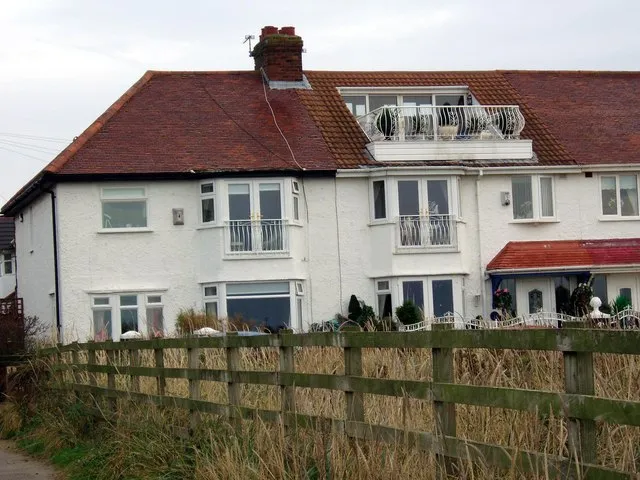
Photo: kevin higgins, CC BY-SA 2.0, via Wikimedia Commons
Handover day is a beginning, not a conclusion. The snagging list you sign off in the first fortnight covers what is visible and what is wrong. It does not cover what is going to happen as the structure settles, the ground swells and shrinks, and the building experiences its first full cycle of wet and dry, warm and cold.
Most defects worth worrying about are not dramatic. They start as a hairline crack, a damp patch behind a planter, or a gutter that overflows only in a south-westerly. What makes them expensive is delay. The plan below sets out what to look for at six, twelve and twenty-four months after completion, and what to record while you are looking.
Recording as You Go
Before anything else, set up a simple record. A folder on your phone with dated sub-folders is sufficient. For each inspection, note the date, the weather of the preceding fortnight, and anything you have noticed between inspections. Photograph defects twice: once close up, and once with something for scale — a coin, a ruler, or the full elevation for context.
Photograph the same viewpoints each time. A fixed reference point turns a vague impression that something looks worse into a sequence that shows exactly how much it has changed. This matters enormously if the matter is ever disputed.
Month Six: The Building Is Still Settling
By six months, the extension has been through one season and possibly its first heating cycle. Do not expect perfection; do expect to identify which issues are cosmetic and which are structural.
- Check the junction between old and new. This is where most movement shows first. Look for cracks along the line where the new walls meet the original house, particularly above openings. A fine vertical hairline at a plastered junction is common; a stepped crack through brickwork is not, and should be raised immediately.
- Inspect ceilings and cornices in the new rooms for sagging or fresh cracking, especially beneath any flat roof.
- Look at door and window operation. Sticking at the head or catching at the latch can indicate frame movement or a floor that is still drying.
- Check external ground levels around the new walls. Have patios or paving settled away from the damp-proof course? Is there a fall towards the building where there should be a fall away?
- Note every crack with a pencil line and date, or a strip of masking tape across it. This is the single most useful thing you can do in the first year.
Spring is the ideal season for this inspection. Ground heave after a wet winter often reveals itself in paving, thresholds and drainage runs, and the evidence is clearest when the ground is drying out rather than saturated.
Month Twelve: A Full Cycle Has Passed
At a year, you have seen the extension in all four seasons, and patterns start to emerge. This is the point at which genuinely useful observations can be made, and the point by which most defects liability periods are still running.
- Summer shrinkage. Warm, dry weather can produce new cracks in plaster and gaps at skirting boards and window reveals. Measure and record their width and length. Cracks that have stopped moving are redecoration; cracks that continue to widen are a conversation.
- Airtightness and draughts. On a cold, still day, run a hand around window and door frames, sockets on external walls, and the junction with the original house. A cold draught in December is much easier to trace than in June.
- Drainage in wet weather. Watch the rainwater goods during a heavy downpour rather than afterwards. Note any overflow, any water tracking down a wall, or any gullies that back up. Photograph the water in motion if you can.
- Condensation. Check the corners of rooms, behind furniture, and any cold bridge such as a concrete lintel or a steel beam. Persistent condensation on the same patch each winter is a ventilation or insulation issue, not a lifestyle one.
- External finishes. Look at render, sealant joints around windows, and any painted timber. Failure at a joint usually shows as a small gap or a dark line.
Write a short summary of anything found and send it to the builder by email, even if it seems minor. A dated written record is far more useful than a phone call remembered imperfectly.
Month Twenty-Four: The Building Has Found Its Level
Two years in, most genuine settlement has occurred. This inspection is less about snagging and more about the long-term health of the structure. It is also your opportunity to address anything that has been quietly developing.
- Autumn gutter overload. Gutters that have coped for two summers may struggle once mature trees nearby drop leaves. Clear, check the falls, and confirm that downpipes discharge clear of the foundations. Water discharging against a wall is one of the most common causes of damp in extensions, and one of the easiest to prevent.
- Revisit every annotation. Take out your pencil marks and tape strips and compare. Have the cracks moved, stabilised, or been filled and reappeared?
- Check thresholds and external levels again. Two winters of ground movement will show whether paving has settled in a way that now directs water towards the building.
- Inspect beneath the floor if you can. A sub-floor void or a service hatch gives access to check for damp, standing water or pipework that has moved.
- Consider a professional inspection if the extension includes a flat roof, a large glazed opening, or a basement or tanking element. These systems benefit from expert eyes before their warranties lapse.
Raising Issues Effectively
Whatever the month, the approach is the same. Raise concerns in writing, with photographs and dates, and state what you are observing rather than what you believe should be done about it. Ask the builder to inspect and advise. Keep the tone factual. Contractors respond better to a clear photographic record than to an assertion that something is wrong.
Keep an eye on the terms of your contract and any warranty. Most will set out a defects period and a notification procedure, and a defect raised within the period is generally treated more favourably than one raised the month after it closes. A twenty-four-month diary is not an act of suspicion. It is simply good stewardship of the most expensive thing most of us will ever build.