When the Weather Turns: Keeping a November-to-February Renovation Dry, Warm and on Schedule
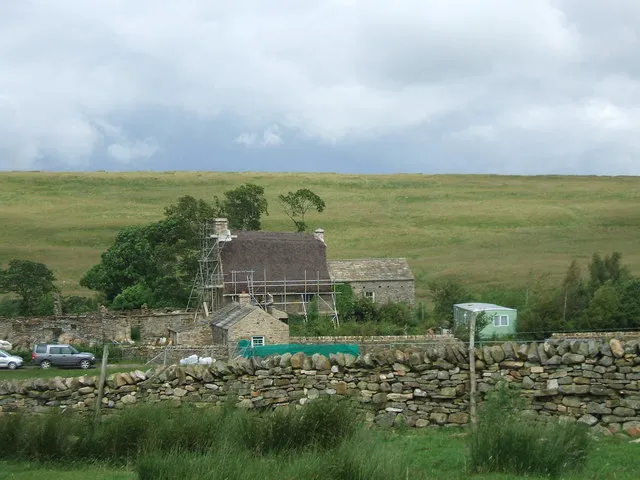
Photo: David Brown, CC BY-SA 2.0, via Wikimedia Commons
A renovation that runs from November to February is not impossible in the UK — but it is a different kind of project from one that begins in May. Daylight is scarce, ground conditions deteriorate quickly, and the Met Office will almost certainly issue at least one warning that affects your site. The builds that go well are rarely the ones blessed with good luck; they are the ones where the homeowner and the contractor agreed in advance what would happen when the weather turned.
This is a project-management problem dressed up as a weather problem. Treat it that way, and a winter programme becomes perfectly manageable.
Agree a wet-weather protocol before work starts
Before the first delivery arrives, sit down with your builder and write down the answers to some unglamorous questions. Who decides when external work stops? Where will water go if the ground is already saturated? Which tasks can be moved indoors if a week is lost? How much contingency sits in the programme — a realistic allowance is 10 to 15 per cent across the winter months, not the two days sometimes offered.
Ask, too, for the site insurance position to be confirmed in writing. Most policies require notification of works, and temporary protection of the structure is usually a condition rather than a courtesy.
Store materials as though rain is coming, because it is
Timber, plasterboard and insulation are the three materials most often ruined by a British winter, and all three fail in the same way: they absorb moisture and then hold on to it.
- Timber: stack on bearers at least 100mm off the ground, space the boards so air can move between them, and cover with a weighted sheet that overhangs the stack. Timber that has sat wet will move once installed, which later shows up as cracked plaster and sticking doors.
- Plasterboard: store flat, never on edge, in a dry room with the door closed. A single soaked sheet is scrap.
- Insulation: mineral wool takes on water readily and loses performance; rigid boards are more forgiving but still need covering.
- Cement, plaster and adhesives: these are damaged by both frost and damp. Keep them inside, off a concrete floor, and use stock within the manufacturer's shelf life. Bagged cement is not a material to buy in bulk in December.
Stage deliveries rather than stacking everything in the front garden. Fewer, smaller drops reduce the quantity at risk and make the site easier to keep tidy.
Close the envelope as early as possible
The single most useful thing you can do in the first fortnight is get the building watertight. That means roof covering, windows and doors, and temporary closures to any opening that will not be filled for weeks. Scaffold sheeting and tarpaulins will hold for a short period if they are fixed properly — with a fall, lapped like slates, and tied down against wind rather than simply draped.
Check that gutters and downpipes are clear and connected before the wet weeks arrive. A blocked outlet during a storm can do more damage in an hour than a month of steady drizzle. Temporary doors should be robust enough to lock, both for security and because a flapping sheet of ply is an invitation to water.
Heat, dry and ventilate — in that order
Plaster, screed and tiling all need time and temperature. As a rule of thumb, background heat should be maintained above 5°C for several days after application, and many manufacturers specify 10°C. Frost will destroy a fresh screed; too much heat will crack it.
Avoid paraffin and bottled-gas heaters in enclosed spaces. They release large quantities of water vapour, which condenses on the coldest surfaces — usually the newly plastered walls you are trying to dry. Electric heaters with thermostats, or a properly sized dehumidifier, are far better value even at winter electricity prices. Combine gentle heat with ventilation, and expect plaster to take roughly a week per 25mm of thickness to dry, with screeds taking considerably longer.
Plan the programme around eight hours of daylight
In December, useful external daylight has effectively gone by half past three. Front-load the work that must happen outside: roofing, structural openings, drainage and external services. Internal first fix — electrics, plumbing, studwork — absorbs short days far more comfortably.
Expect the Christmas period to cost you a week or more. Confirm in writing when the site will close, when trades return, and what will be left secure and protected in the interim.
Some jobs simply should not be attempted in a British winter. External rendering, painting, block paving, tarmac and most landscaping are all sensitive to low temperatures and short drying windows. If your programme includes them, ask whether they can be deferred to March rather than rushed in February.
Protect the garden, the driveway and the neighbours
Mud is the complaint that outlasts the build. A hundred metres of tracked clay across a gravelled drive is remembered long after the extension is finished.
- Lay trackway or scaffold boards on the route used by deliveries.
- Protect lawns with a geotextile membrane topped with bark chippings.
- Provide a hardstanding for skips and material drops, never a lawn.
- Install a silt trap or settlement area before any runoff reaches a highway drain. Discharging silty water into surface water drainage can breach environmental rules and will not endear you to the council.
A week-by-week rhythm
- November: establish protection, clear drainage, close the roof, secure storage. Expect the weather to interrupt at least one week.
- December: push internal works, accept a slowdown around the holidays, leave the site locked and dry.
- January: frost watch. Maintain background heat, protect new work overnight, and use the short days for second fix and snagging.
- February: resume external works only when forecasts allow, and keep a heater on standby for a late cold snap.
None of this is complicated, but all of it needs deciding before the first frost rather than during it. A winter renovation rewards the homeowner who asks awkward questions in October.